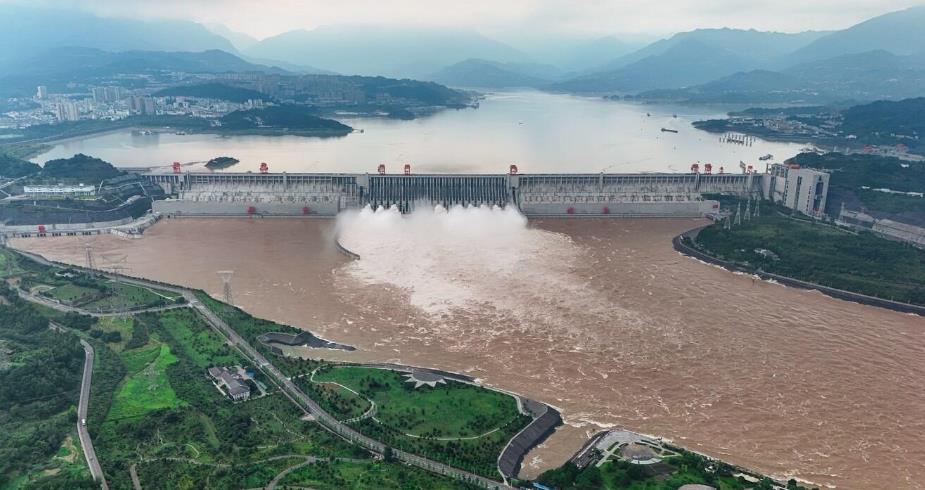
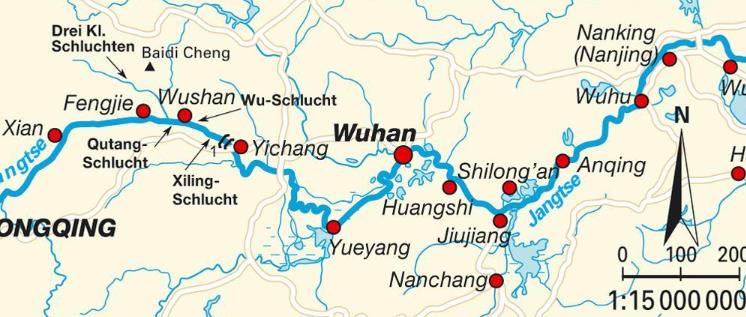
Building the Three Gorges Dam was driven not merely by rising national demand for energy, but by a holistic assessment of flood control, ecological management, inland waterway development and other priorities. Towering over the Yangtze River, the dam stands as an imposing landmark. Far more than a hydraulic infrastructure project, it is widely seen as a symbol of China’s national capability and engineering wisdom.

Project Approval and Legislative Process
The Three Gorges Project ranks as China’s largest water-control undertaking and the world’s biggest hydropower station. Discussions on the concept stretched back decades after the founding of the People’s Republic of China, and the proposal sparked extensive public and expert debate.
In June 1986, the Central Government and the State Council instructed the Ministry of Water Resources to draft a revised feasibility report. A leading group for project appraisal assembled 14 specialist panels for an evaluation lasting two years and eight months. Nine experts submitted formal dissenting opinions.
On April 3, 1992, the Fifth Session of the Seventh National People’s Congress voted on the Resolution on Constructing the Yangtze Three Gorges Project. The result was 1,767 votes in favour, 177 against, 664 abstentions, and 25 delegates who did not cast ballots.
In January 1993, the State Council established the Three Gorges Project Construction Commission. On July 26 the same year, the commission reviewed and approved the preliminary design report for the Three Gorges Water Control Hub, marking the start of formal pre-construction work.
The Debate: Benefits and Disadvantages
Key Benefits
- Flood control Flood defence was designated the project’s primary objective. By adjusting reservoir water levels, the dam greatly reduces flood risks for communities along the middle and lower Yangtze. It lifted the flood protection standard of the Jingjiang Reach from a once-in-ten-years level to once-in-a-hundred-years.
- Power generation As one of the world’s largest hydropower plants, the Three Gorges supplies massive volumes of low-carbon electricity. Its total installed capacity reaches 22.5 gigawatts, with annual power output exceeding 100 billion kilowatt-hours.
- Improved navigation The reservoir has dramatically upgraded shipping conditions on the Yangtze, the country’s principal inland waterway, boosting vessel tonnage and transport efficiency.
Main Criticisms and Drawbacks
- Ecological disruption Large areas of land were submerged when the reservoir filled, destroying habitats for many rare plant and animal species. Alterations to the river’s natural flow regime brought sediment accumulation in river channels and water-quality degradation in parts of the reservoir.
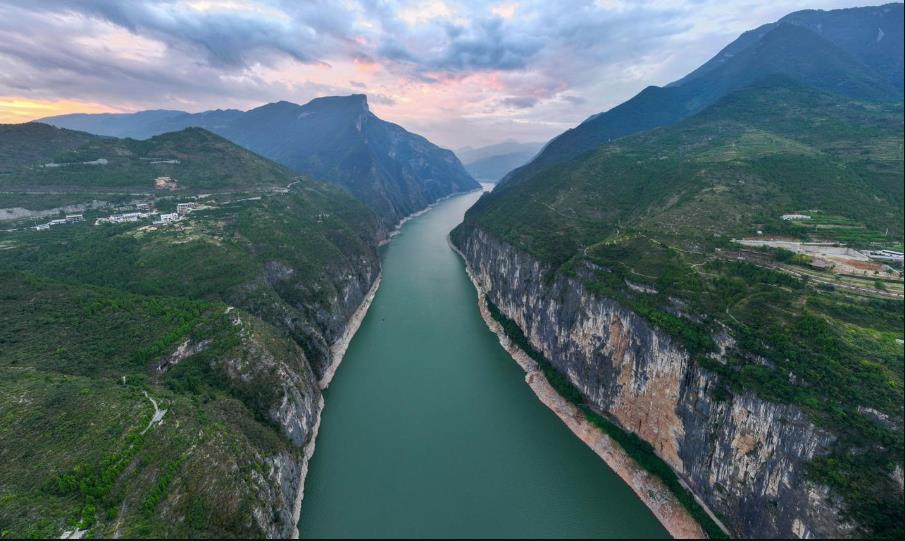
- Loss of cultural heritage Numerous unique archaeological sites, ancient temples, tombs and stone carvings were submerged. Important sites including the Daxi Site in Wushan and the Xiling relics vanished under the reservoir, representing an irreplaceable loss of Chinese cultural heritage.
- Wartime vulnerability concerns One recurring security question centres on risk during armed conflict: if the dam were damaged in an attack, the enormous volume of impounded water could trigger catastrophic flooding across densely populated downstream regions.
Current Performance and Outcomes
Decades of operation have demonstrated that the overall benefits of the Three Gorges Project far outweigh its costs. The project has recouped its construction investment and become financially profitable. Its total construction cost stood at roughly 250 billion yuan.
Since the first generators came online in 2003, the dam has delivered major economic and social gains through flood mitigation, clean power and shipping improvements:
- Power revenue: Electricity from the plant is sold via the national grid at an average on-grid price of 250 yuan per megawatt-hour. Cumulative generation has surpassed 1.6 trillion kWh, bringing in roughly 400 billion yuan in power sales alone — enough to cover the original construction expense while generating ongoing surplus revenue.
- Flood control value: The reservoir’s ability to regulate river levels has prevented catastrophic flood losses worth trillions of yuan, a benefit that cannot be fully quantified in monetary terms.
- Tourism and shipping gains: The dam has stimulated local tourism, while stabilised river conditions have lifted the reliability and capacity of Yangtze freight transport.
- Overall returns: The project now generates an annual profit of around 30 billion yuan, equivalent to roughly 100 million yuan in revenue each day.
Discussion on potential military strikes against the dam
Analysts note that attacking the Three Gorges Dam would be extremely difficult. Nestled amid mountainous terrain, the site is protected by layered air-defence systems, making successful bombing runs by aircraft highly challenging. Intercontinental ballistic missiles launched from the United States would also face a high probability of early detection and interception. Furthermore, China maintains a robust nuclear deterrent. Any deliberate strike on this critical national infrastructure would trigger a severe response.
Conclusion
The decision to build the Three Gorges Dam was far-sighted. It addresses critical national challenges in energy supply, flood safety and inland transport, and constitutes a landmark achievement supporting China’s sustainable economic and social development.
Looking ahead, advancing technology and refined reservoir management will allow the Three Gorges Dam to keep delivering its broad, multi-purpose benefits for decades, contributing to China’s long-term national rejuvenation.