If someone asks me where the world’s largest dam is, I will first ask: what do you mean by “largest” — the height of the dam, its length, reservoir storage capacity, or power generation capacity?
China’s Three Gorges Dam is a typical example. It sits on the Yangtze River, spanning the river near Sandouping in Yichang, Hubei Province. It is the world’s largest hydropower station by installed capacity and one of the largest water conservancy projects in human history.
However, it is not the tallest dam in the world, nor can it simply be described as number one by every dimensional metric.
In my opinion, the most straightforward way to understand the Three Gorges Dam is to look at the figures. The dam axis stretches approximately 2,309 meters, the dam crest elevation is 185 meters, the total installed capacity of the power station is 22,500 megawatts, the final financial settlement of the project was around 207.873 billion yuan, and roughly 1.2455 million people were planned for reservoir resettlement.
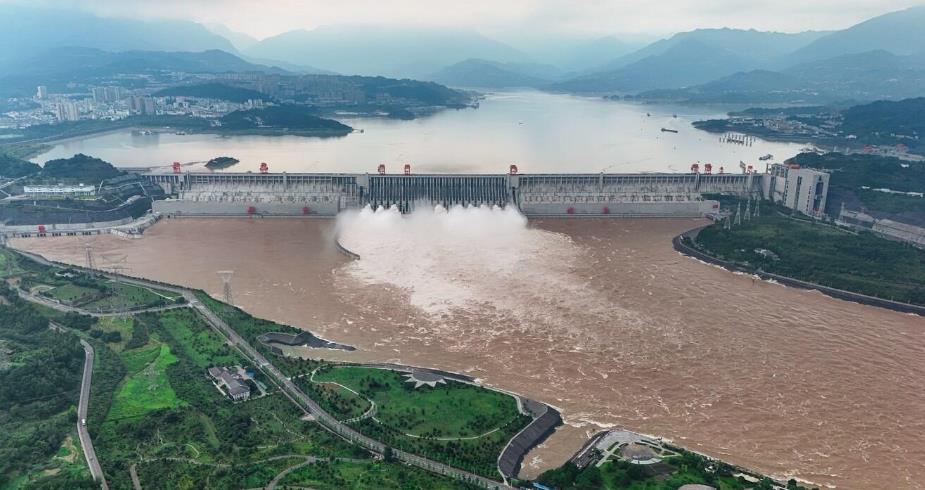
Behind these numbers lies a megaproject built over more than a decade, involving hydraulic engineering, power generation, shipping, flood control and population relocation.
1. How Big Is the Three Gorges Dam? Core Figures First
I will list the most important data together. Even if you do not read the full article, you can quickly grasp the Three Gorges Dam size.
Three Gorges Dam: Core Engineering Data
- Total length of dam axis: 2,309 m
- Dam crest elevation: 185 m
- Installed power capacity: 22,500 MW
- Total reservoir storage capacity: 39.3 billion m³
- Planned resettlement population: 1.2455 million
- Final financial settlement amount: 207.873 billion yuan
Data source: Engineering design and final financial settlement documents. Note that dam crest elevation is not the same as the structural height of the dam body.
From these figures, we can see the scale of the Three Gorges Dam is more than just its concrete structure. It also includes the hydropower plant, power transmission and transformation systems, ship locks, vertical ship lift, reservoir and large-scale resettlement projects.
Therefore, I prefer to treat it as a comprehensive water conservancy hub, rather than merely a water-blocking dam.
2. How Tall and Long Is the Three Gorges Dam? Three Gorges Dam Size
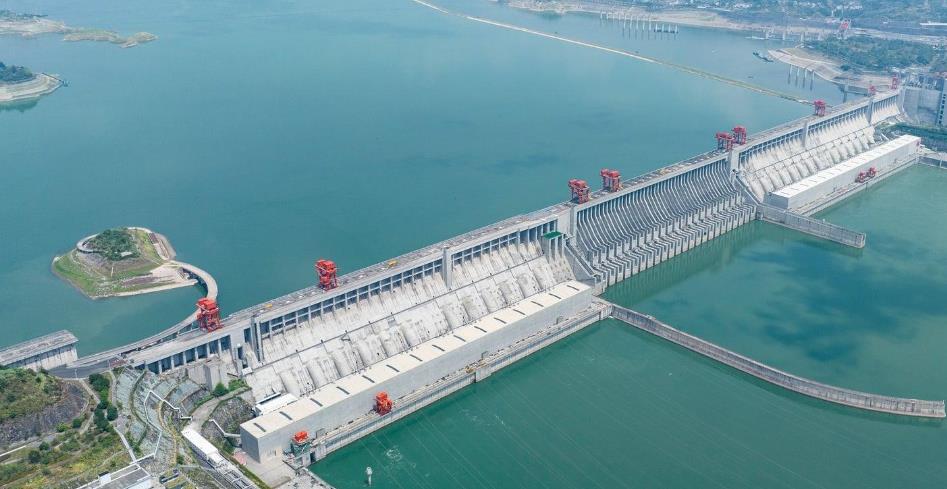
When it comes to physical dimensions, the two most important figures for the Three Gorges Dam are its length and height.
2.1 How long is the Three Gorges Dam?
The total length of the Three Gorges Dam axis is approximately 2,309 meters, equal to about 2.3 kilometers.
To put this length into perspective:
- Roughly equal to 23 standard 100-meter athletics straight tracks end-to-end
- A continuous large concrete hydraulic structure stretching 2.3 kilometers
- From an aerial view, you can see the dam crossing the Yangtze from one bank to the other
It is worth noting that you may see figures of 2,309 meters and 2,335 meters in different sources. This difference comes from varying statistical scopes and measurement standards. Engineering technical documents adopt the dam axis length of 2,309 meters; some popular science materials use a dam body length of around 2,335 meters. For official engineering introductions, I use the 2,309-meter figure from engineering documentation.
2.2 How tall is the Three Gorges Dam?
The dam crest elevation of the Three Gorges Dam is 185 meters.
Here are two easily confused concepts:
- Dam crest elevation: 185 meters, meaning the elevation of the dam top relative to the project datum plane
- Structural height of the dam: approximately 181 meters, the height from the dam foundation to the dam top
So when you see 185 meters or 181 meters in materials, it does not necessarily mean incorrect data — they are measured under different definitions.
2.3 What structure is the Three Gorges Dam?
The main body of the Three Gorges Dam is a concrete gravity dam.
Simply put, this type of dam mainly relies on its own weight and structural design to resist water pressure.
Unlike arch dams, which transfer part of the water pressure to the mountain slopes on both banks, gravity dams require sufficient weight and stable foundation conditions to stay secure.
Spanning the Yangtze River, the Three Gorges Dam must withstand enormous hydraulic pressure while meeting requirements for flood discharge, power generation and navigation. For this reason, it is not just a simple high wall. It combines multiple large engineering facilities into one integrated system.
3. What Is the Installed Capacity of the Three Gorges Dam? What Does 22,500 MW Mean?
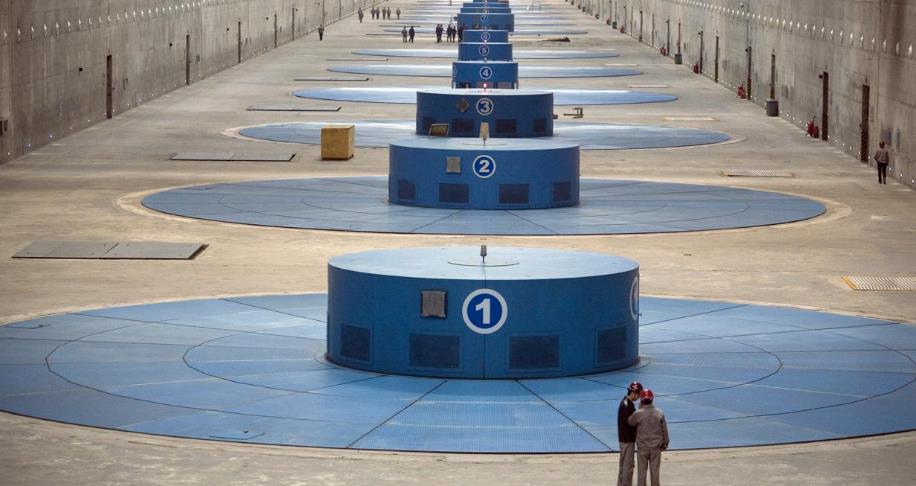
If the physical dimensions show the scale of the Three Gorges project, its power generation capacity is one of its most critical indicators.
The total installed capacity of the Three Gorges Hydropower Station reaches 22,500 megawatts (MW), which equals 22.5 million kilowatts.
What does this figure represent?
3.1 34 generating units working together
The Three Gorges Hydropower Station has 34 water turbine generating units:
| Unit Type | Quantity | Single Unit Capacity | Total Capacity |
|---|---|---|---|
| Main units for left-bank, right-bank and underground power stations | 32 | 700 MW | 22,400 MW |
| Power supply station units | 2 | 50 MW | 100 MW |
| Total | 34 | — | 22,500 MW |
That means the Three Gorges Hydropower Station does not rely on one giant generator. Power is produced jointly by 34 units.
3.2 How many kilowatts is 22,500 MW?
The conversion is straightforward: 22,500 MW = 22,500,000 kW, or 22.5 million kilowatts.
If all 34 units run at rated power for one hour, they can theoretically generate 22.5 million kWh (22.5 GWh) of electricity.
This does not mean the power station can run at full load every day or every month. Actual power output depends on Yangtze River inflow, reservoir scheduling, unit maintenance and grid demand.
3.3 How much electricity does the Three Gorges Dam produce per year?
Annual power generation at the Three Gorges Hydropower Station is not fixed.
A notable milestone was 2020, when the station generated 111.8 billion kWh of electricity, setting a world record for annual power output from a single hydropower plant at that time.
Other years also recorded high generation volumes:
- 2020: 111.8 billion kWh
- 2021: 103.6 billion kWh
As of December 2024, the cumulative power generation of the Three Gorges Project exceeded 1.7 trillion kWh. According to official data, this is equivalent to saving around 550 million tons of standard coal and cutting roughly 1.49 billion tons of carbon dioxide emissions.
I believe cumulative power generation better reflects the long-term energy value of this project than installed capacity alone.
4. What Was the Investment Cost? Cost of Three Gorges Dam
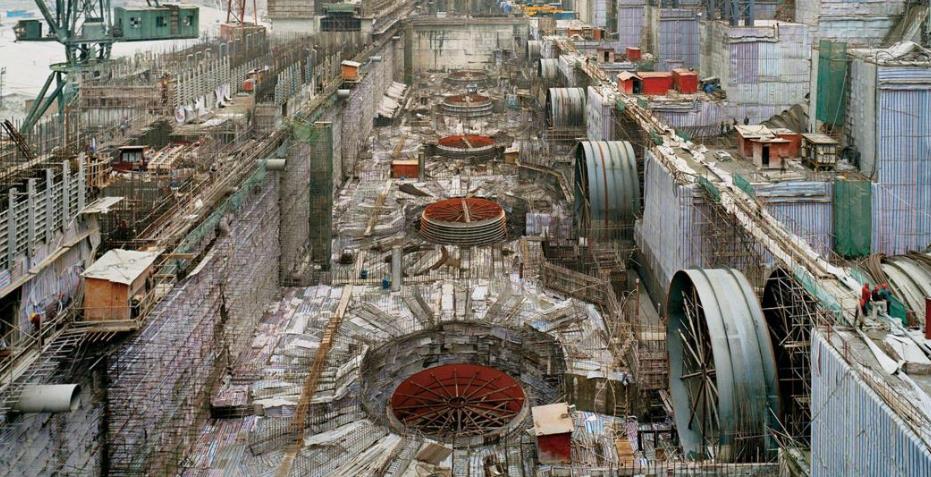
The Cost of Three Gorges Dam is a question many overseas visitors and engineering enthusiasts care about.
However, there is an easily overlooked point: the investment cost of the Three Gorges Project covers far more than the dam itself. It also includes power transmission projects and resettlement works.
Therefore, when comparing different sources, I pay close attention to whether they refer to static investment, dynamic investment, or the final financial settlement amount.
4.1 Initially approved investment estimate for the Three Gorges Project
According to audit data of the Three Gorges Project final financial settlement, calculated at the price level as of the end of May 1993:
- Static investment estimate: 135.266 billion yuan
- Dynamic total investment estimate: 248.537 billion yuan
Static investment reflects the project cost under baseline price conditions. Dynamic investment accounts for price changes and interest rates during construction.
4.2 How much did the Three Gorges Project ultimately cost?
Based on the audit results of the final financial settlement draft, construction funds invested in the Three Gorges Project by the end of December 2011 were approximately: 207.873 billion yuan
This figure is about 40.664 billion yuan lower than the projected dynamic investment estimate of 248.537 billion yuan.
So if someone asks how much the Three Gorges Dam cost, I would answer: according to publicly released final financial settlement draft figures, the total construction investment for the Three Gorges Project was about 207.9 billion yuan.
Please note this covers the entire Three Gorges Project, not just the concrete dam construction.
4.3 Where did the money mainly go?
The Three Gorges Project consists of three main components, with static investment breakdown as follows:
| Project Section | Completed Static Investment |
|---|---|
| Hub Project | 50.090 billion yuan |
| Power Transmission and Transformation Project | 32.274 billion yuan |
| Resettlement Project | 52.902 billion yuan |
| Total | 135.266 billion yuan |
These three items are under the static investment scope and do not equal the full final construction investment.
From this breakdown, we can see resettlement was itself an enormous undertaking. The cost of the Three Gorges Project cannot be simplified to just building the dam and generators.
5. How Many People Were Relocated? 1.3 Million People
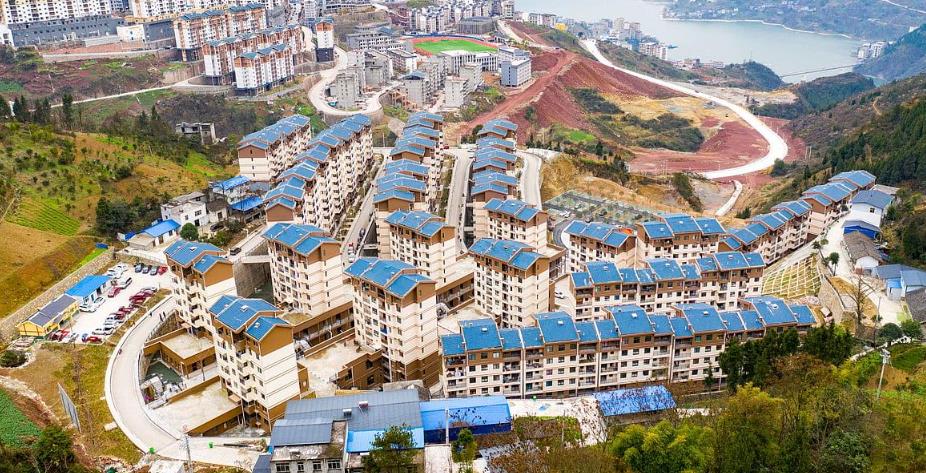
Among all the statistics for the Three Gorges Dam, I think the resettlement figure deserves special attention.
To build the Three Gorges Project and form the reservoir, numerous towns, villages, farmlands and infrastructure along the Yangtze River needed to be relocated or rebuilt.
According to project planning, about 1.2455 million people were planned for housing resettlement in the reservoir area, often rounded to roughly 1.3 million people in overseas materials.
5.1 Why did so many people need to move?
The normal pool level of the Three Gorges Reservoir is 175 meters. After impoundment, the reservoir stretches about 600 kilometers upstream along the Yangtze.
As the water level rose, some original towns, villages and land were submerged.
For this reason, project construction required not only building the dam, but also carrying out population relocation, town reconstruction, transportation upgrades and cultural relic protection simultaneously.
5.2 What was the scale of relocation?
Based on public audit materials, the Three Gorges resettlement involved:
| Item | Quantity |
|---|---|
| Planned resettlement population for housing | 1.2455 million |
| Resettled building area | 43.655 million square meters |
| Relocated industrial and mining enterprises | 1,632 |
| Relocated cities and counties | 12 |
| Relocated towns | 114 |
| Cultural relic protection projects | 1,087 |
These numbers show the Three Gorges Project not only changed the hydrological environment of the Yangtze, but also profoundly reshaped the layout of towns and the lives of residents in the reservoir area.
I believe when introducing the Three Gorges Dam, we should not only showcase its massive structure and power generation figures. Resettlement is an indispensable part for understanding this megaproject.
6. How Large Is the Three Gorges Reservoir? 39.3 Billion Cubic Meters of Storage Capacity
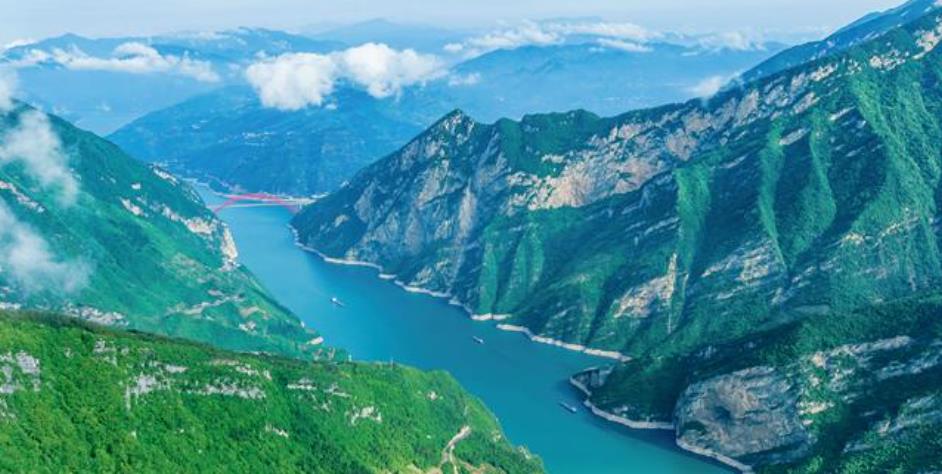
After the completion of the Three Gorges Dam, the huge Three Gorges Reservoir was formed on the upper Yangtze.
Key reservoir data:
- Normal pool level: 175 meters
- Total storage capacity: 39.3 billion cubic meters
- Flood control capacity: 22.15 billion cubic meters
- Reservoir surface area: around 1,084 square kilometers
- Backwater length: about 600 kilometers
6.1 What does 39.3 billion cubic meters mean?
39.3 billion cubic meters equals 39.3 billion separate cubic meters of water.
Of course, the reservoir is not always kept full. It is regulated according to flood seasons, flood control, power generation, shipping and downstream water demand.
6.2 Why does the Three Gorges Reservoir reserve flood control capacity?
Flood control is one of the core functions of the Three Gorges Project. Rainfall in the Yangtze River basin varies greatly across seasons, and large floods may occur during flood seasons. By reserving storage capacity before flood season, the reservoir can hold back part of the floodwater and reduce peak flood pressure on downstream reaches.
The total reservoir capacity is 39.3 billion cubic meters, of which roughly 22.15 billion cubic meters is dedicated flood control capacity. This capacity forms the foundation for flood regulation operations.
7. Is the Three Gorges Dam the World’s Largest Dam?
If you search “what is the world’s biggest dam”, you may find inconsistent answers across different websites.
The reason is simple: there is no single universal standard for the world’s largest dam.
We can evaluate it by different metrics:
| Comparison Metric | Three Gorges Dam |
|---|---|
| Hydropower installed capacity | Among the world’s top tier, at 22,500 MW |
| Dam axis length | Approximately 2,309 meters |
| Dam crest elevation | 185 meters |
| Total reservoir storage capacity | 39.3 billion cubic meters |
| World’s tallest dam | No |
With its installed capacity of 22,500 MW, the Three Gorges Hydropower Station has long ranked first globally for hydropower installed capacity.
But ranked by dam height, it is not the tallest. For example, Tajikistan’s Nurek Dam stands around 300 meters high, and China’s Jinping-I Dam is about 305 meters tall — both higher than the Three Gorges Dam’s structural height of roughly 181 meters.
Therefore, the accurate statement is: The Three Gorges Dam is the world’s largest hydropower project by installed capacity, but it is not the world’s tallest dam.
This explains why discussions about the “world’s biggest dam” must first clarify whether we are comparing height, length, storage capacity or power generation capacity.
8. Beyond Power Generation: What Other Functions Does the Three Gorges Dam Have?
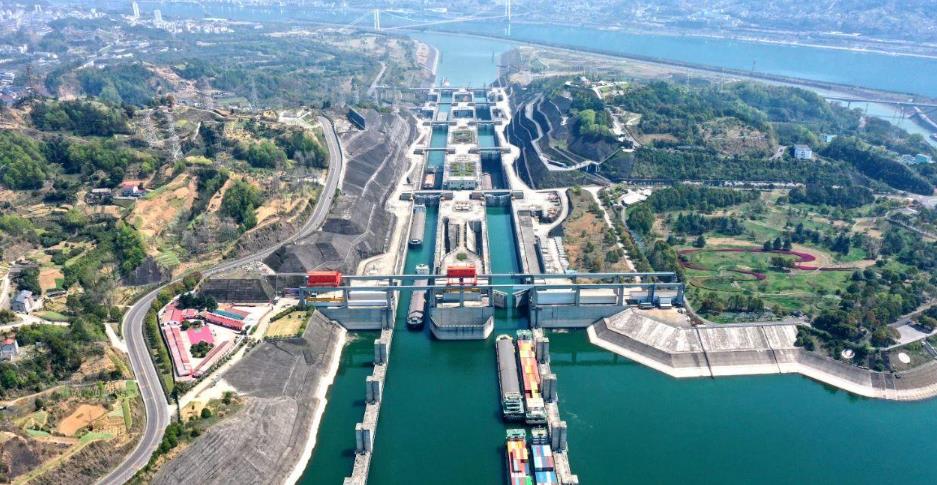
If you only view the Three Gorges Dam as a power generation facility, you underestimate its comprehensive value.
It is a water conservancy hub integrating flood control, power generation, shipping and water resource regulation.
8.1 Flood Control: Regulating Yangtze River Floods
The Three Gorges Reservoir holds roughly 22.15 billion cubic meters of flood control capacity. It can store floodwater and ease flood pressure on sections of the middle and lower Yangtze River.
As of December 2024, the Three Gorges Project has impounded nearly 70 flood events.
The Three Gorges Project includes a double-way five-stage ship lock and a vertical ship lift.
The ship lock uses staged chambers to help vessels overcome the water level difference between upstream and downstream. The ship lift vertically lifts eligible ships to cross the dam. The ship lock and lift form a critical part of the Yangtze shipping network.
8.3 Water Regulation: Supporting Downstream Water Supply
Apart from power generation and flood control, the reservoir can adjust water discharge according to downstream needs. Official data shows that as of December 2024, the Three Gorges Project has supplied more than 360 billion cubic meters of water to the middle and lower Yangtze River.
These functions together create the comprehensive value of the Three Gorges Project.
9. Where to Visit the Three Gorges Dam? From Engineering Data to the Site
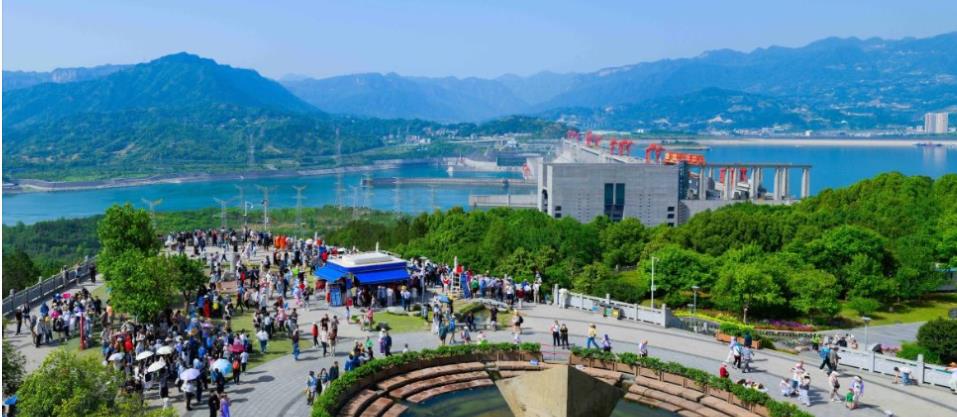
If you want to see the dam after reading these figures, you can visit the Three Gorges Dam Tourist Area in Yichang, Hubei Province.
The Three Gorges Dam is located in Sandouping Town, Yiling District, Yichang, and is the core part of the Three Gorges Project.
Visitors can learn about the dam structure and scale at designated viewing platforms subject to the scenic spot opening schedule. Popular viewing spots include Tanziling, the 185 Observation Platform and the River Closure Memorial Park. Check the scenic spot’s daily notices for real-time opening arrangements and entry requirements.
I recommend focusing your visit on three aspects:
- Observe the scale of the dam: stand on the viewing platform to experience the 2.3-kilometer-long dam body in person
- Learn about the power generation system: understand how water turbines convert hydropower into electricity
- Explore navigation facilities: see how ship locks and the ship lift allow shipping alongside power generation
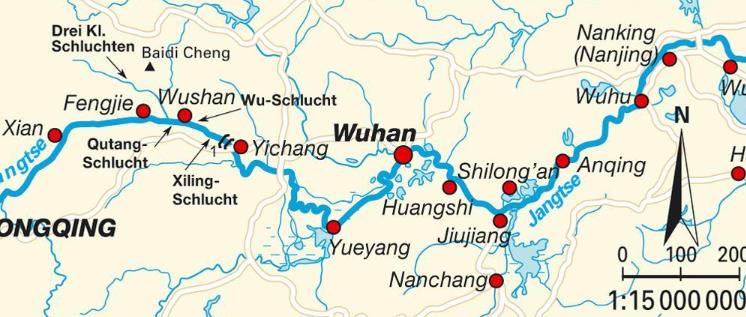
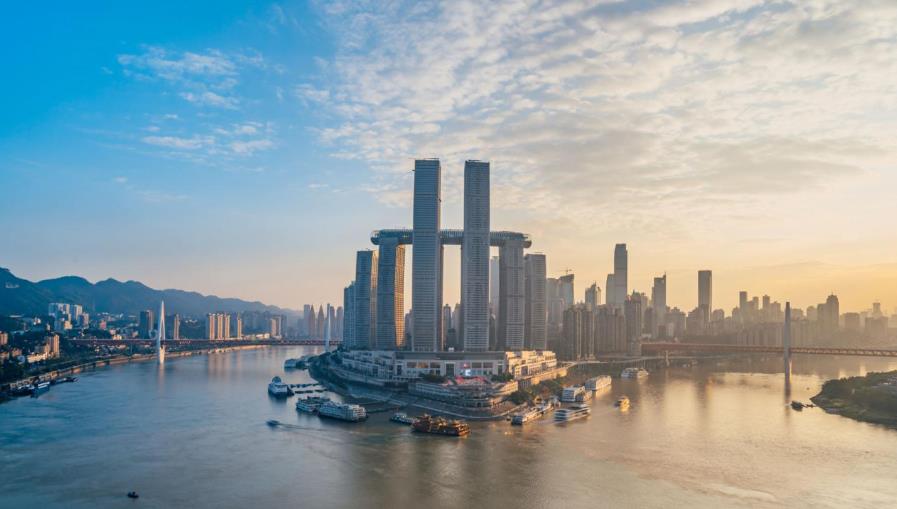
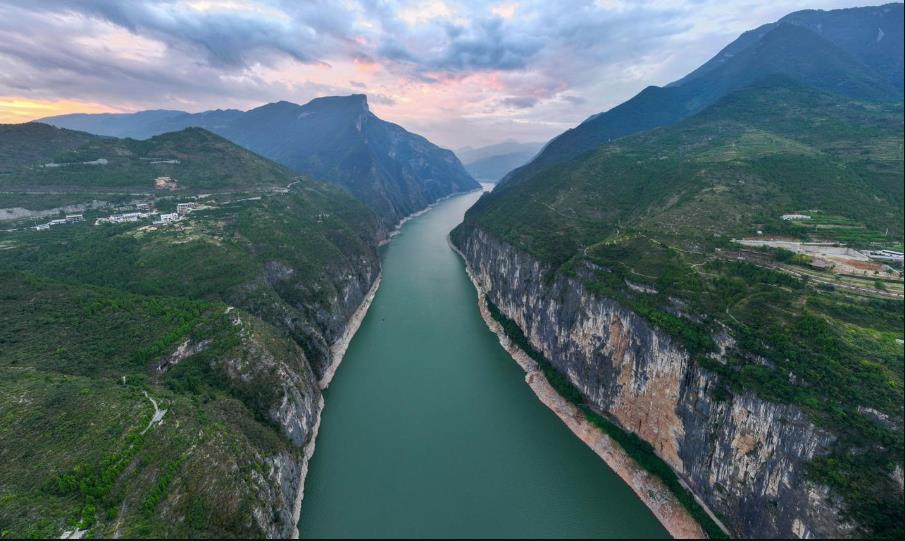
If you have enough time, combine your Three Gorges Dam visit with a Yangtze River cruise. You can board a cruise from Chongqing, sail through Qutang Gorge, Wu Gorge and Xiling Gorge, then arrange a Three Gorges Dam tour in Yichang. This way you can experience both the natural canyon scenery of the Yangtze and this modern hydraulic engineering marvel.
10. Frequently Asked Questions about the Three Gorges Dam
10.1 What is the world’s biggest dam? It depends on the comparison standard. By hydropower installed capacity, the Three Gorges Hydropower Station ranks first at 22,500 MW. By dam height, other dams such as China’s Jinping-I Dam are taller.
10.2 How big is the Three Gorges Dam? The dam axis totals approximately 2,309 meters, the dam crest elevation is 185 meters, and the structural height of the dam body is about 181 meters.
10.3 What is the generating capacity of the Three Gorges Dam? The total installed capacity of the Three Gorges Hydropower Station is 22,500 MW, composed of 34 generating units.
10.4 How much did the Three Gorges Dam cost? According to the publicly released final financial settlement draft, total construction investment for the Three Gorges Project was roughly 207.873 billion yuan. This covers the hub, power transmission and resettlement works, not just the dam itself.
10.5 How many people were relocated for the Three Gorges Dam? Approximately 1.2455 million people were planned for housing resettlement for the Three Gorges Project, commonly rounded to around 1.3 million people in overseas sources.
10.6 How much electricity does the Three Gorges Dam generate per year? Annual generation varies with river inflow and operation scheduling. In 2020, the Three Gorges Hydropower Station generated 111.8 billion kWh, setting a single-station annual generation record at that time.
10.7 How much water can the Three Gorges Reservoir hold? The total reservoir capacity is about 39.3 billion cubic meters, including roughly 22.15 billion cubic meters of flood control capacity.
10.8 When was the Three Gorges Dam completed? Construction of the main Three Gorges Project officially started in 1994. The dam reached the 185-meter crest elevation in 2006, and the 175-meter trial impoundment was completed in 2010. The whole project passed overall completion acceptance in November 2020.
References and Data Sources
https://www.engineering.org.cn/engi/EN/10.15302/J-ENG-2015022 https://sjt.ln.gov.cn/sjt/zfxxgk/fdzdgknr/sjxxggbg/4363636D94A74DCA8C6D8718DDB0DE6C/index.shtml https://english.scio.gov.cn/chinavoices/2020-11/04/content_76874326.htm https://english.www.gov.cn/archive/statistics/202412/14/content_WS675d69d3c6d0868f4e8edf67.html https://www.ctg.com.cn/ctgenglish/news_media/news37/2024080621160591105/index.html https://sustainabledevelopment.un.org/content/documents/1714Water%20Development%20Report%202014.pdf