A century-long idea, a brutal national budget, and a what-if that still divides engineers
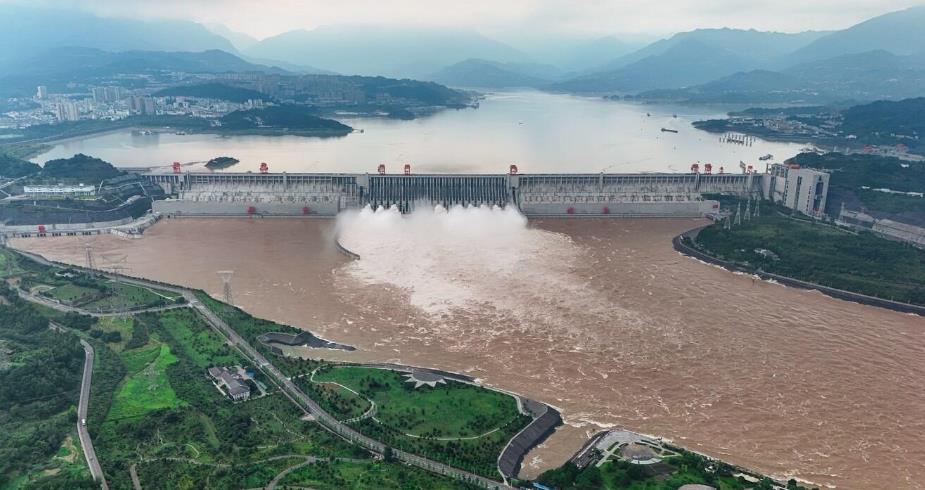
When you stand at the base of the Three Gorges Dam today and look up, it feels untouchable. But here is an honest thought that crosses a lot of Chinese engineering minds: we may have built it too short. Not because the engineers were wrong — but because China in the early 1990s simply could not afford to build it taller.
A Project That Took Nearly a Century to Approve
The idea of damming the Yangtze goes back to 1918, when Sun Yat-sen first proposed it in his Plan for National Reconstruction. In 1956, Chairman Mao wrote the famous line: “Cut through Wushu’s clouds and rain; a flat lake will rise between high gorges.” After decades of expert debates, the final resolution was put to the National People’s Congress in April 1992.
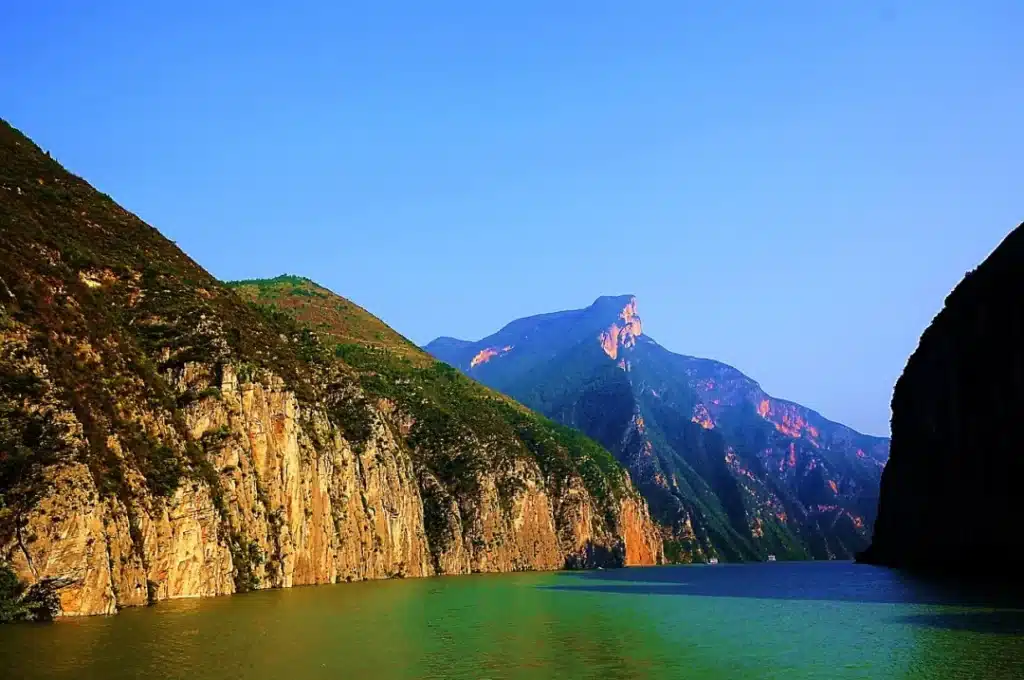
The vote was unprecedented: nearly one-third of delegates voted no. That almost never happens in Chinese legislative history. The reasons were obvious — the scale was gigantic, more than a million people had to be resettled, and no dam in world hydropower history had ever attempted anything like it. The construction period would be enormous, and the price tag staggering.
The Numbers That Explain Why It Came Out This Short
To feel how poor China was at the time, look at the GDP figures:
- In 1991, China’s total GDP was about US$383.4 billion — roughly 2 trillion yuan — ranked 11th in the world.
- Japan’s economy was nearly ten times larger than China’s at that moment.
- China’s per capita GDP was only US$300–400, on par with many developing nations in Africa, Asia, and Latin America. Japan’s per capita GDP was around US$30,000.
- National fiscal revenue in 1991 was roughly 350 billion yuan.
- The projected cost of the Three Gorges project — construction plus resettlement — was over 200 billion yuan.
In other words, the dam alone was set to consume the equivalent of more than half of the entire country’s annual fiscal revenue. To put that in perspective, the much-celebrated Hong Kong–Zhuhai–Macau Bridge, built decades later in a far richer era, cost 126.9 billion yuan.
A Huge Dam, but a Surprisingly “Small” Reservoir
Many people assume that because the Three Gorges Dam is massive, its reservoir must also be one of the largest in the world. In reality, the Three Gorges reservoir ranks only around 25th globally.
Key figures:
- Total reservoir area: 1,084 km²
- Normal pool level: 175 meters above sea level
- Total storage capacity: 39.3 billion cubic meters
- Average water depth: roughly 36 meters
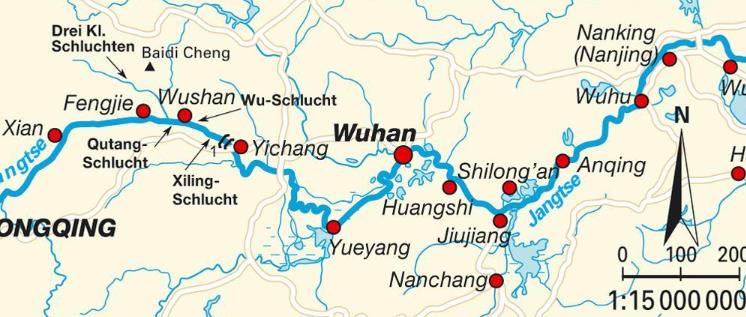
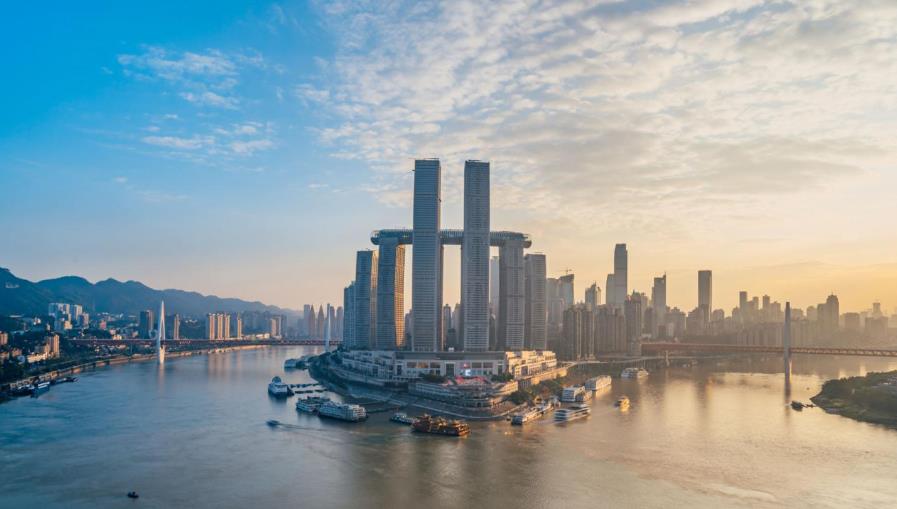
- Backwater reaches as far upstream as Jiangjin, in the Chongqing metropolitan area
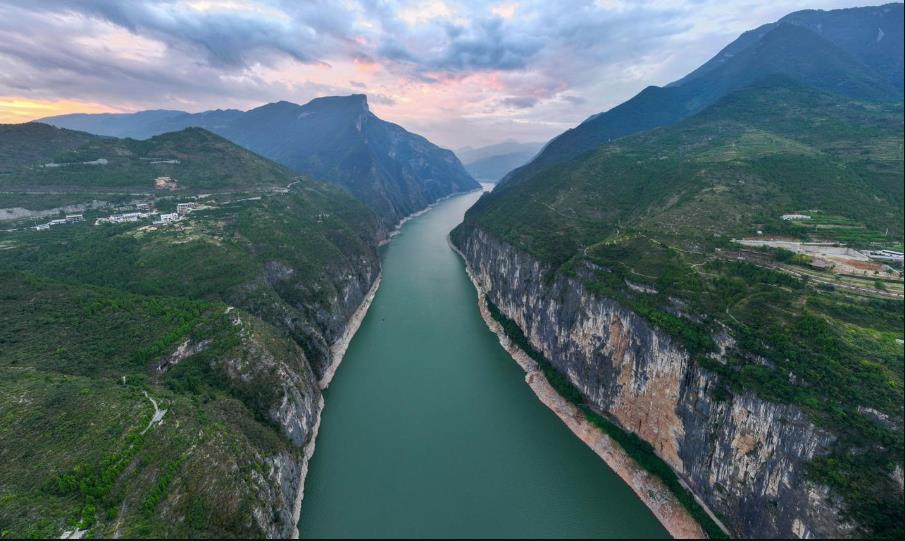
The reason is geography. The world’s biggest reservoirs sit in wide natural basins across Russia and Africa, where water can spread out freely. The Three Gorges is squeezed between the steep Wushan mountain range — a narrow slit of a river valley. It simply cannot hold more water unless the water level is raised higher.
The Alternatives That Were On the Table
Engineers did not only consider the 175-meter scheme. They seriously evaluated operating levels of 160 m, 180 m, 200 m, and even 235 m.
Why a Higher Dam Would Have Been Better
- Better flood control: a larger reservoir could absorb more summer flood peaks.
- Better dry-season flow: more water released downstream in winter, helping cities and farms along the middle and lower Yangtze.
- Deeper navigation channel: higher water would have submerged the rocky rapids of the Three Gorges, making year-round passage for 10,000-ton ships to Chongqing much more reliable.
- More electricity: higher head means more power output from the same turbines.
- South-to-North Water Transfer: a higher reservoir could have fed water by gravity into the Danjiangkou reservoir, reducing the pumping energy needed for the eastern and central routes of China’s South-to-North Water Diversion Project.
Why They Backed Off
- Higher dam, higher ship locks, higher spillways — everything scaled up.
- A wider flooded zone meant losing more farmland, forest, scenic stretches of the Little Three Gorges, and cultural relics — and resettling far more people.
- Chongqing upstream would face higher backwater levels and worse flood drainage during storm season.
- In a worst-case wartime scenario — a direct strike on a higher dam — the catastrophic flood downstream would have been far more deadly.
The What-If: What If They Had Built It to 200 Meters?
Skip the extreme 235-meter scheme and imagine the next one down: a 200-meter normal pool, 25 meters higher than today. Just from the existing surface area alone, each extra meter of level adds about 1.084 billion cubic meters of storage. Over 25 meters, that is roughly 27.1 billion cubic meters of new capacity — and the actual number would be even larger because the flooded area also widens.
Total capacity could plausibly have reached 70–80 billion cubic meters, pushing the Three Gorges into the global top 10 reservoirs.
That kind of buffer would have transformed the Yangtze. The river’s annual flow through the gorge is roughly 300–400 billion cubic meters, but today’s regulated storage is only around 20-some billion. The reservoir still has to spill during rainy summers and still cannot quench the lower river’s thirst in dry winters. With a 60-billion-cubic-meter regulated volume, the Yangtze would behave far more gently in flood season and far more generously in the dry season. Ten-thousand-ton freighters could sail routinely between Chongqing and Shanghai, and the economic gain would have been enormous.
Was It Really Just Poverty?
Looking back with 30 years of hindsight, the tradeoff was less a failure of engineering and more a reflection of a country that, in 1992, could barely feed itself. They chose the scheme that would get the dam built — that would deliver flood control, power, and navigation improvements without bankrupting the nation or displacing millions more people.
Today China’s GDP is nearly US$18 trillion, compared with under US$400 billion back then. The country that once could not afford to raise a dam another 25 meters now routinely builds infrastructure at a scale that would have been unimaginable in 1992. The Three Gorges is still an engineering miracle. It just leaves you wondering what it might have been — if only the times had been richer, and the backs a little less strained.
What do you think — would a taller Three Gorges have been worth the extra resettlement cost? Share your take in the comments.