The Yangtze Three Gorges are among China’s most iconic natural landscapes. Many travellers have heard of the Three Gorges and know about the Three Gorges Dam. However, once you sail through the gorges on a Yangtze River cruise, you will realise the Three Gorges are not a single continuous canyon. Instead, they form a linked canyon system made up of Qutang Gorge, Wu Gorge and Xiling Gorge.
I have always believed that the best way to understand the Three Gorges is not just by studying maps or learning about the scale of the Three Gorges Dam. It is to travel eastward along the Yangtze and discover these three gorges one by one. Each differs in length, landforms and scenery, and carries its own historical stories and classical poems.
From the imposing Qutang Gorge, to the winding, elegant Wu Gorge, and then to Xiling Gorge — famous historically for its twisting waterways and perils — together they create the most unforgettable natural scenery along the upper Yangtze.
1. Where are the Yangtze Three Gorges? What do “3 Gorge” and “Three Gorges” mean?
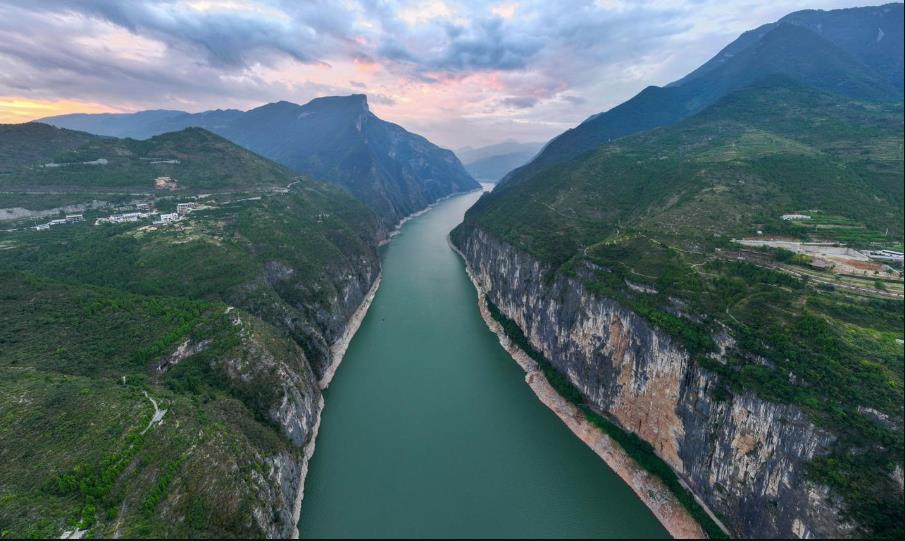
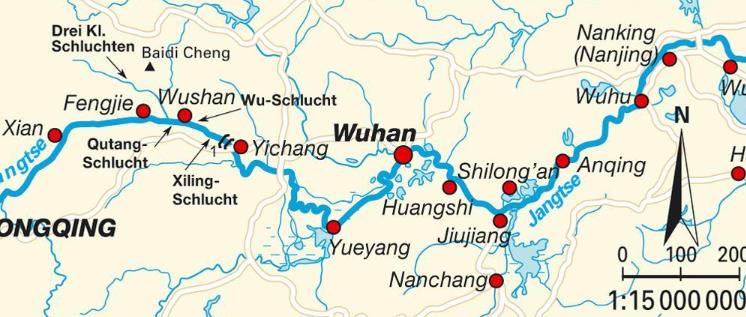
The Yangtze Three Gorges sit on the middle reaches of the Yangtze River. They stretch west from Baidi City near Fengjie in Chongqing, east to Nanjin Pass in Yichang, Hubei Province, with a total length of roughly 193 kilometres. The three connected gorges, ordered from west to east following the river flow, are:
- Qutang Gorge: Known for grandeur and precipitous cliffs
- Wu Gorge (Wuxia Gorge): Celebrated for its quiet beauty and the Twelve Peaks of Wushan
- Xiling Gorge: Notable for its many sub-gorges and historically dangerous rapids
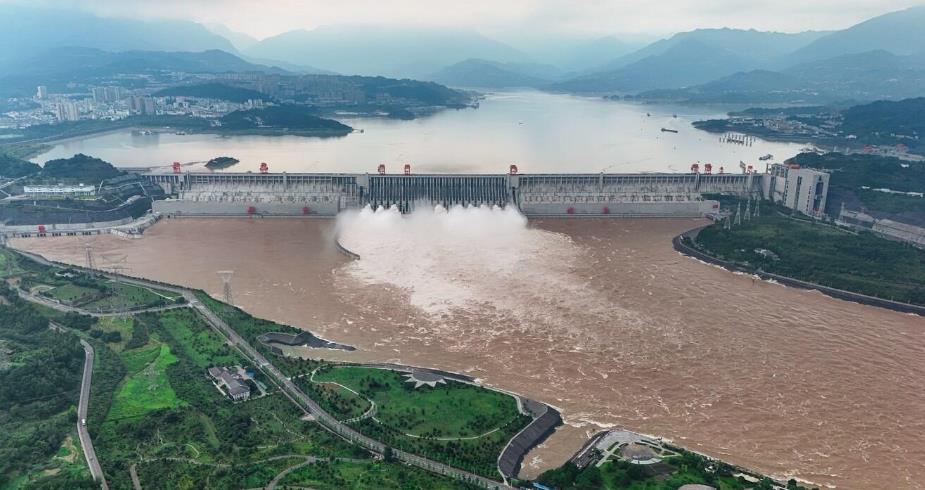
In English, Three Gorges and 3 Gorges are common terms for the Yangtze Three Gorges. 3 Gorge is an occasional non-standard singular search variant. It is important to note that the Three Gorges Dam is not three separate dams. It is a single water conservancy hub spanning the Yangtze, located near the Xiling Gorge area.
The Three Gorges are more than a geographic landscape. They hold an important place in ancient Chinese poetry and the history of Yangtze River shipping. The mountains are mainly limestone canyon formations. The Yangtze cuts between towering peaks, forming a river channel that alternates between narrow and wide sections.
Length figures vary across reference sources, largely due to different ways of defining the start and end boundaries of each gorge. According to the UNESCO World Heritage Tentative List, Qutang Gorge is about 8 km, Wu Gorge roughly 42 km, and Xiling Gorge approximately 66 km. Research from the Institute of Geographic Sciences and Natural Resources Research, Chinese Academy of Sciences records Wu Gorge as around 45 km. This article uses the widely cited reference values: 8 km, 45 km and 66 km.
2. Qutang Gorge: The shortest and most majestic of the Three Gorges
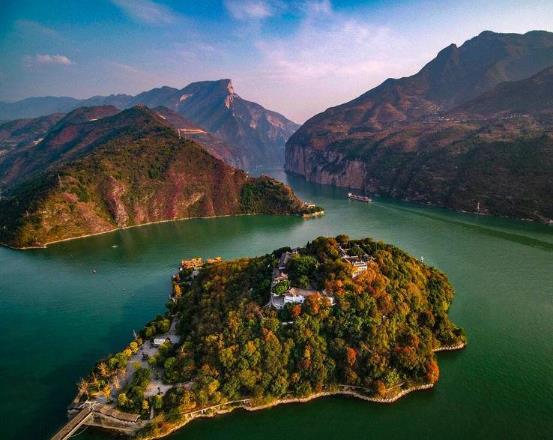
Reference length: around 8 km
Qutang Gorge lies at the westernmost end of the Three Gorges, extending from near Baidi City in Fengjie, Chongqing to Daxi in Wushan. It is the shortest of the three gorges, yet it delivers the strongest sense of awe.
If you board a Yangtze cruise heading from Chongqing toward Yichang, Qutang Gorge is usually the first of the Three Gorges you encounter. As the ship enters the gorge mouth, cliffs on both banks draw closer, narrowing the river. You can look straight up to see towering rock faces and steep precipices.
2.1 Kuimen: The landmark of Qutang Gorge
Kuimen, also known as Qutang Pass, is Qutang Gorge’s most famous sight.
Two mountain peaks stand facing each other to form a natural gateway, through which the Yangtze flows. Kuimen is one of China’s most recognisable natural landmarks and featured on the back of the old 10-yuan RMB banknote.
To me, Kuimen is the perfect spot to experience the power of Qutang Gorge. Unlike scenic spots defined by broad lakes or layered rolling hills, it creates a dramatic spatial feeling through the height of the cliffs, their proximity to each other and the river’s flow.
2.2 White Emperor City: The historic site most closely linked to poetry
White Emperor City in Fengjie is a major cultural landmark at the western end of Qutang Gorge.
It is best known for its connection to the Tang poet Li Bai. In 759 AD, after receiving an imperial pardon, Li Bai travelled east past White Emperor City and wrote his famous poem Leaving White Emperor City at Dawn:
At dawn I leave White Emperor City amid clouds bright, A thousand li to Jiangling takes but one day’s flight. On both banks monkeys cry without cease, My light boat skips past ten thousand mountains with ease.
This poem is one of the most celebrated literary works about the Three Gorges. Its depiction of a swift boat racing downstream past endless mountains shaped many people’s first imaginations of the gorges.
Today, cruising through Qutang Gorge, you will no longer experience the perilous rapids of ancient wooden boats. Still, the relationship between the towering peaks and the river lets you feel the grandeur captured in Li Bai’s verse.
2.3 What to watch for in Qutang Gorge
I recommend focusing on three highlights while passing through:
- Kuimen: Admire the natural gateway formed by vertical cliffs
- White Emperor City: Learn about Three Gorges history and Li Bai’s poetic legacy
- Riverbank cliffs: Observe the height, rock layers and changing vegetation on the gorge walls
Though only about 8 km long, Qutang Gorge packs concentrated scenery. For cruise passengers, this stretch often leaves one of the deepest impressions on the whole journey.
3. Wu Gorge: The elegant gorge famous for the Twelve Peaks of Wushan
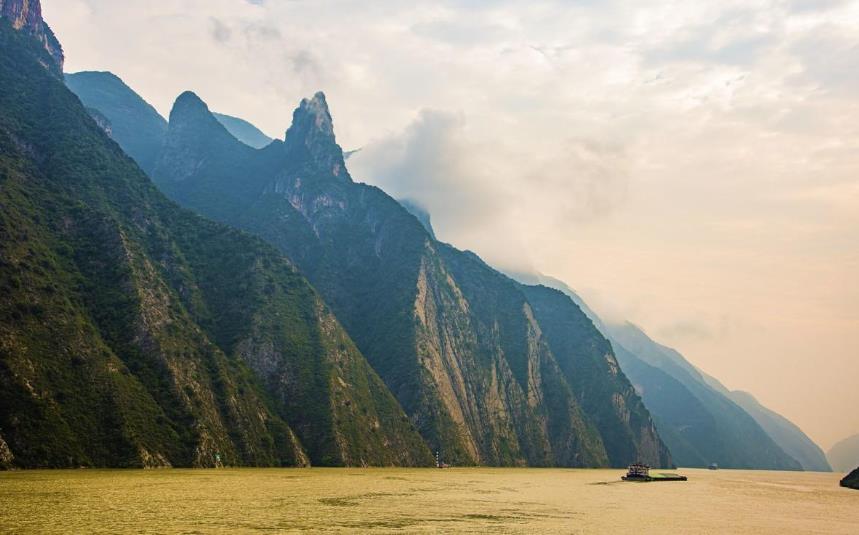
Reference length: around 45 km
After leaving Qutang Gorge, the Yangtze flows through the Wushan area and enters Wu Gorge.
If Qutang Gorge strikes visitors with raw grandeur and steepness, Wu Gorge unfolds like a long scroll of Chinese landscape painting. The canyon twists repeatedly, with continuous mountain ridges lining both banks. On clear days, the sharp outlines of peaks stand out. When mist rolls in, peaks emerge and vanish, creating a completely different mood.
3.1 Twelve Peaks of Wushan: Wu Gorge’s iconic natural scenery
The Twelve Peaks of Wushan are Wu Gorge’s signature attraction.
Scattered along both sides of the Yangtze, each peak has its own name and distinctive shape. The most renowned is Goddess Peak.
Goddess Peak is a uniquely shaped mountain. From afar, the rock formation at its summit resembles a standing woman, inspiring countless legends about the Wushan Goddess.
When cruising Wu Gorge, do not fixate on just one peak. Watch the broader landscape along the banks. The Twelve Peaks are spread out, and the channel bends constantly. Only as the boat moves forward can you gradually see them in full view.
3.2 Wu Gorge in ancient Chinese poetry
Wu Gorge occupies a vital place in classical Chinese literature.
Li Daoyuan, a geographer of the Northern Wei Dynasty, documented the Three Gorges in Shui Jing Zhu (Commentary on the Water Classic). One well-known line describes Wu Gorge:
Of the Three Gorges of Ba Dong, Wu Gorge stretches longest; When monkeys cry three times, travellers shed tears to damp their robes.
This line vividly conveys the quiet remoteness of Wu Gorge and the sorrow of ancient travellers hearing monkey calls along the river.
The great Tang poet Du Fu lived for a long time around Kuizhou and wrote many works about the Yangtze and gorges. One famous line from Climbing the Height reads:
Boundless fallen leaves rustle and drift, Endless Yangtze surges onward.
While this line was not written exclusively about Wu Gorge, its vision of autumn on the Yangtze and vast, solemn atmosphere resonates deeply with the landscape of the Three Gorges region.
3.3 What to watch for in Wu Gorge
I pay special attention to these sights:
- Goddess Peak: the most famous of the Twelve Peaks
- The Twelve Peaks range: the interplay between mountains and the winding gorge
- Mist scenery: shifting weather often wraps the gorge in haze, amplifying its serene depth
- Riverside scenery of Wushan: the blend of mountain town, river and wild terrain
If you enjoy landscape photography, Wu Gorge rewards plenty of time on deck. Its beauty comes not from a single landmark, but from the ever-changing perspectives as your cruise glides along the river.
4. Xiling Gorge: The longest of the Three Gorges

Reference length: around 66 km
Xiling Gorge sits at the eastern end of the Three Gorges, mainly spanning Yichang and Zigui in Hubei Province, running from near Xiangxi River to Nanjin Pass.
By common geographic definitions, Xiling Gorge is the longest of the three. Compared with the compact majesty of Qutang Gorge and the delicate quiet of Wu Gorge, Xiling Gorge features more varied landforms and river channels.
In ancient times, Xiling Gorge was notorious for dangerous rapids, strong currents and complicated navigation. Boatmen once navigated this stretch with extreme caution. Many famous perilous shoals and sub-gorges once tested seafarers here.
4.1 Main highlights of Xiling Gorge
Xiling Gorge contains multiple smaller sub-gorges and historic rapid zones. Well-known sections include Soldier’s Book and Sword Gorge, Ox Liver and Horse Lung Gorge, Kongling Gorge and Shadow Play Gorge.
Most of these names come from rock shapes, local legends or geographic traits.
- Soldier’s Book and Sword Gorge: named after legends of ancient scrolls and swords
- Ox Liver and Horse Lung Gorge: named after oddly shaped rock formations on the cliff
- Kongling Gorge: historically feared for its treacherous waterway
- Shadow Play Gorge: celebrated for striking rock silhouettes
Today’s cruise experience through Xiling Gorge is vastly different from the old days of violent rapids. Since the completion of the Three Gorges Project and reservoir impoundment, water levels and scenery in some river sections have changed, and many once-feared rapids are submerged.
4.2 The Three Gorges Dam is located in the Xiling Gorge area
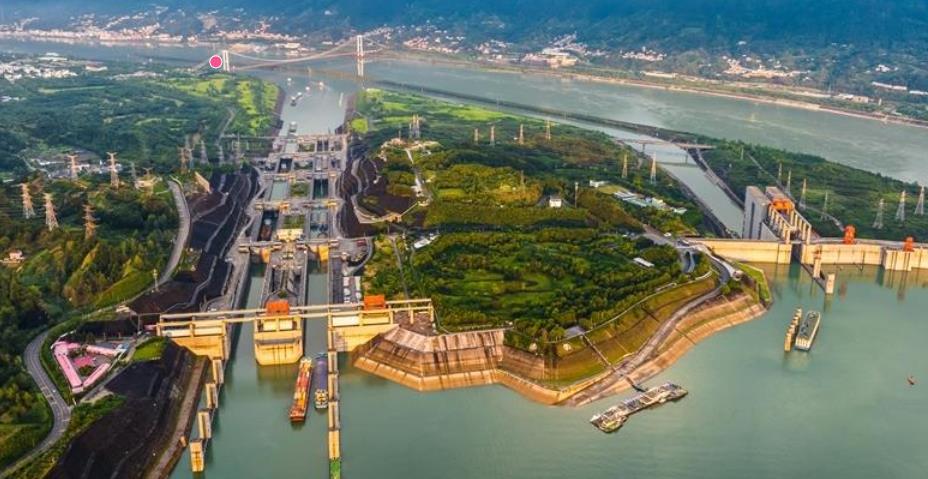
When talking about Xiling Gorge, you cannot overlook the Three Gorges Dam.
The Three Gorges Dam stands in Sandouping, Yiling District, Yichang, Hubei, near the Xiling Gorge zone. It is one of the world’s largest hydropower projects.
Many overseas visitors confuse the Three Gorges and the Three Gorges Dam. They are separate concepts:
- Three Gorges: the natural canyon system of Qutang, Wu and Xiling Gorges
- Three Gorges Dam: the large water conservancy hub in the Xiling Gorge region
- Three Gorges Reservoir: the lake formed by water impoundment behind the dam
The Three Gorges Dam transformed Yangtze shipping conditions and turned Xiling Gorge into a travel destination combining natural canyon scenery and modern mega-engineering.
On classic Chongqing-to-Yichang Yangtze cruises, Xiling Gorge and the Three Gorges Dam are key attractions in the latter half of the voyage.
5. What are the differences between the three gorges?
For first-time visitors, three simple keywords help remember each one: Qutang for grandeur, Wu for elegance, Xiling for varied sub-gorges and the Three Gorges Project.
| Comparison Item | Qutang Gorge | Wu Gorge | Xiling Gorge |
|---|---|---|---|
| Reference Length | ~8 km | ~45 km | ~66 km |
| Location | Fengjie to Wushan, Chongqing | Wushan, Chongqing to Badong, Hubei | Zigui to Yichang, Hubei |
| Core Features | Grand, precipitous | Secluded, graceful | Diverse sub-gorges, historic rapids |
| Signature Sights | Kuimen, White Emperor City | Twelve Peaks of Wushan, Goddess Peak | Soldier’s Book and Sword Gorge, Shadow Play Gorge, Three Gorges Dam |
| Associated Culture | Li Bai’s Leaving White Emperor City at Dawn | Shui Jing Zhu, Goddess of Wushan legend | Ancient shipping history, Three Gorges Project |
Length figures are standard reference values. Sources may differ slightly depending on where each gorge’s boundaries are drawn.
If you have limited time, prioritise Kuimen in Qutang Gorge and Goddess Peak in Wu Gorge. If you want a full understanding of the Three Gorges’ geography and modern development, include Xiling Gorge and the Three Gorges Dam in your itinerary.
6. How long does a Yangtze cruise take to pass through the Three Gorges?
This is one of the most practical questions for travellers planning a Yangtze River Cruise.
The total length of the Three Gorges is roughly 193 km, but cruise transit time is not fixed. It depends on sailing direction, vessel speed, channel scheduling, shore excursion stops and the specific cruise package.
6.1 Downstream: Chongqing to Yichang
Chongqing to Yichang is the classic Yangtze cruise route.
A full multi-day cruise from Chongqing to Yichang does not race through the Three Gorges in just a few hours. The ship stops at Fengjie, Wushan, Zigui, Yichang and other sites, with shore excursions determined by the cruise line and sailing schedule.
For a one-day Three Gorges tour from Fengjie to Yichang’s Maoping Port, you can experience all three gorges within a single day.
According to the 2026 Three Gorges cruise route information released by the Chongqing municipal government, this one-day Fengjie–Maoping cruise takes roughly 7 hours, with a sample schedule as follows:
- Around 9:00 a.m.: Depart Baotaping Port in Fengjie, enter Qutang Gorge
- Around 10:30 a.m.: Arrive at Wu Gorge
- Midday: Lunch and short rest
- After 2:00 p.m.: Enter the western section of Xiling Gorge
- Around 3:30 p.m.: Arrive at Maoping Port, Yichang
This is a sample timetable for one specific day-trip product, and not all Yangtze cruises follow this schedule.
6.2 Upstream: Yichang to Chongqing
Cruises travelling from Yichang toward Chongqing sail against the Yangtze current.
The route is reversed: the ship first passes Xiling Gorge, then Wu Gorge, and finally Qutang Gorge.
Upstream sailing speed and timetables differ from downstream trips. Confirm gorge transit times directly with your cruise operator’s itinerary.
6.3 How long to spend viewing each gorge?
It is important to separate two ideas: the actual time the ship sails through a gorge, and the time you spend watching scenery from the deck.
The three gorges vary in length, and cruise speed shifts, so you cannot calculate viewing time simply by dividing distance by a fixed speed.
On the Fengjie–Maoping day cruise, Qutang Gorge is usually passed in the morning, Wu Gorge in the mid-morning to early afternoon, and Xiling Gorge in the afternoon.
On multi-day Yangtze cruises, the ship may arrange shore visits, tributary excursions or other activities along the gorges, extending your total sightseeing time.
I recommend checking the cruise line’s daily itinerary in advance. If you hope to photograph Kuimen, Goddess Peak or Xiling Gorge, confirm the approximate time the ship will pass these landmarks.
7. Best seasons for a Three Gorges cruise
The Three Gorges offer distinct scenery year-round. Seasonal changes directly affect mountain colours, river views and visibility.
7.1 Spring: Fresh green valleys
Temperatures rise in spring, and vegetation on both banks turns bright green. Blossoms and citrus trees appear on some slopes, creating fresh, vibrant scenery. Spring is excellent for landscape photography.
7.2 Summer: Lush greenery, hot weather
Vegetation reaches its peak density in summer, and the Yangtze carries higher water volumes. However, the season is hot, with frequent rain and mist. Bring sun protection and a lightweight rain jacket for deck viewing.
7.3 Autumn: Great for layered gorge scenery
Autumn is one of my favourite travel seasons here. Temperatures are mild. Foliage shifts colour, painting the gorges in a mix of deep green, yellow and red. It is ideal for long hours on deck admiring and photographing the landscape.
7.4 Winter: Fewer visitors
The Three Gorges lack the thick green of spring and summer in winter, but mountain outlines are sharp and clear. Mist still wraps around the gorges on some days. It is cold on deck in winter, so pack warm outerwear.
8. Tips for your first Three Gorges cruise
If you are sailing the Three Gorges for the first time, keep these points in mind:
First, choose a route that covers all three gorges. Some travellers only visit the Three Gorges Dam and never experience Qutang, Wu and Xiling Gorges. To see the true Three Gorges, pick a cruise itinerary that includes all three canyon sections.
Second, do not only watch from inside your cabin. The magic of the Three Gorges lies in the constantly shifting mountains and river views. When weather permits, head to the viewing deck. Pick a good spot early if you want to photograph Kuimen and Goddess Peak.
Third, confirm your cruise route and ports ahead of time. Different cruises depart from and arrive at different terminals, and transfer arrangements vary. If you start or end in Yichang, double-check whether you embark or disembark at Maoping Port and how to travel between the port and downtown Yichang.
Fourth, do not confuse the Three Gorges Dam with the Three Gorges gorges. The Three Gorges Dam is a massive water engineering project, while the Three Gorges are a natural canyon landscape. Both are worth visiting, but they offer completely different experiences. If your schedule allows, combine a gorge cruise with a tour of the dam.
9. Frequently Asked Questions about the Yangtze Three Gorges
9.1 What are the Three Gorges of China?
China’s Yangtze Three Gorges consist of three gorges: Qutang Gorge, Wu Gorge and Xiling Gorge. They stretch between Fengjie in Chongqing and Yichang in Hubei, forming one of the Yangtze’s most famous canyon landscapes.
9.2 Which is the longest of the Three Gorges?
Xiling Gorge is generally recognised as the longest. The common reference length is about 66 km, Wu Gorge roughly 45 km, and Qutang Gorge around 8 km.
9.3 Which of the Three Gorges is the most beautiful?
Each has unique charm, so there is no simple answer. Qutang Gorge is celebrated for the imposing Kuimen; Wu Gorge for the Twelve Peaks and Goddess Peak; Xiling Gorge for diverse sub-gorges and the Three Gorges Dam. For first-time cruise visitors, I recommend experiencing all three.
9.4 How long does it take to cruise through the Three Gorges?
It depends on your route. The Fengjie–Maoping day cruise takes about 7 hours. Multi-day Chongqing–Yichang cruises usually span several days. Sailing speed and shore stops vary by cruise operator.
9.5 Is the Three Gorges Dam located in Xiling Gorge?
The Three Gorges Dam sits in Sandouping, Yichang, near the Xiling Gorge area. It is the most iconic modern engineering landmark in the Three Gorges region, though it is not one of the natural gorges itself.
The Three Gorges today are vastly different from ancient times. After the Three Gorges Dam was built and the reservoir filled, water levels and flow conditions changed. Many once-feared rapids no longer exist. Modern Yangtze cruise ships pass through the waterway safely under regulated shipping conditions.
If I took my first Yangtze cruise, I would treat Qutang, Wu and Xiling Gorges as one complete travel experience: seek Kuimen from Li Bai’s poetry in Qutang Gorge, admire the Twelve Peaks of Wushan in Wu Gorge, then sail east through Xiling Gorge toward Yichang to witness the connection between natural Yangtze scenery and the Three Gorges Project.